
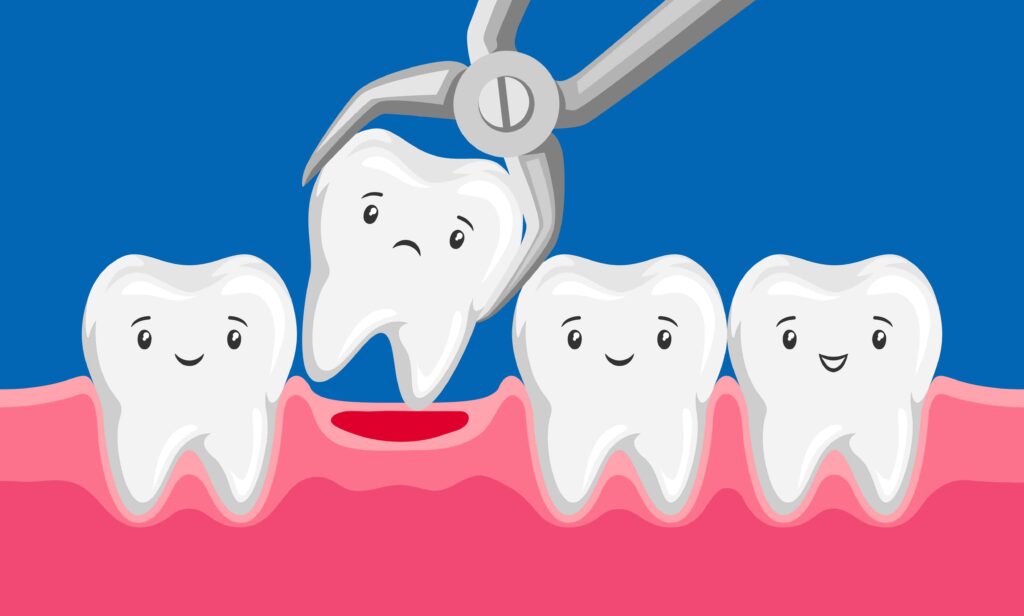
Tooth extractions are never your dentist’s preferred option, but sometimes one is necessary to preserve the health of the rest of your smile. The good news is that modern tooth extractions are very safe, but there is still a small chance that complications can occur. Approximately 2-5% of people develop a complication called “dry socket.” This is when the blood clot that forms during the healing process becomes dislodges. The good news is that this condition can be prevented by closely following your aftercare instructions. Here are some ways that you can help your smile heal quickly and efficiently.
Avoid Straws
A stray is a helpful tool for drinking a beverage, especially as you rest in bed, but they can be problematic during the healing period. This is because when you use a straw, your mouth acts as a vacuum. The suction that the straw creates could dislodge the blood clot and cause you to develop dry socket. It is best to refrain from using straws for at least a week after your procedure.
Don’t Use Tobacco Products
Smoking and using other tobacco products increase your risk of developing dry socket. There are a few reasons why. First, if you quickly inhale smoke through a cigarette, the suction could dislodge the blood clot. The chemicals present in tobacco products also slow down the healing process. You could even develop and infection.
If you smoke, it is best to reduce your tobacco intake for a couple of weeks before your surgery. If you plan to resume smoking after your extraction, ask your dentist how many days you should wait until it is safest to do so. Avoiding dry socket is worth waiting a few days.
Stick to Soft Foods
For the first couple of days after your procedure, you should stick to a soft food diet. This includes things like applesauce, yogurt, and mashed potatoes. Avoid foods that are crunchy and hard until after your smile had healed. After just a few days, you can slowly begin to transition back to your normal diet as you feel comfortable. Just remember to take things easy.
Keep the Site Clean
To prevent dry socket, it is important that you keep up excellent dental hygiene. Germs can break down blood clots and lead to infection. Your dentist will give you thorough instructions on how you should brush your teeth and rinse your mouth to keep the area clean.
Ask About Medication
It is always a good idea to let your dentist know if you have any health conditions or are taking medications. For example, so medications can prevent blood clots from forming. By letting your dentist know what you are taking, they will be able to make a more informed decisions about which medications to prescribe.
Dry socket is a complication that is best avoided. By using the tips listed above and following the instructions of your oral surgeon, your recovery will be a breeze.
About the Author
Dr. Douglas Baldwin is an experienced dentist serving patients in the Arlington area. Currently, he is a proud member of the American Academy of Implant Dentistry, the American Dental Association, the Academy of General Dentistry, the American Academy of Dental Sleep Medicine, the Texas Dental Association, and the Fort Worth District Dental Society. To learn more about tooth extractions or to schedule an appointment, visit his website or call (817) 478-4300.