
Tooth Extractions – Arlington, TX
Removing Decayed or Damaged Teeth to Save Smiles
At Foundation Dental Solutions, Dr. Baldwin and our team want you to keep your natural, healthy teeth as long as possible. However, when severe decay or damage occurs, the only viable solution to prevent worsening oral health conditions may be to perform tooth extractions in Arlington. Although it may not sound like the most ideal scenario, you can feel confident that not only is your dentist making the best decision for your oral health, but we’re also dedicated to keeping you safe and comfortable throughout the procedure. Contact us to learn more about tooth removal.
Reasons Why Tooth Extractions Are Necessary
 The only way to know if you need to have a tooth removed is to schedule an appointment with your dentist. It is
during this visit that he will examine your smile and determine if one or more of your teeth requires extraction.
Some of the most common reasons include:
The only way to know if you need to have a tooth removed is to schedule an appointment with your dentist. It is
during this visit that he will examine your smile and determine if one or more of your teeth requires extraction.
Some of the most common reasons include:
- Wisdom teeth are impacted and causing alignment and painful issues with healthy erupted teeth
- You have a dental emergency in Arlington such as severe decay or facial trauma that’s causing significant problems and cannot be remedied with a root canal
- You require orthodontic treatment but are experiencing overcrowding
- You are preparing for a customized denture but need to have a tooth removed to ensure optimal placement and comfort
The Process of Removing a Tooth
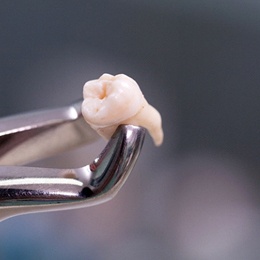 The tooth extraction process might sound daunting and scary, but you can breathe easy knowing the surgical procedure
will be anything but painful. Once it is decided that you will need to have one or more teeth removed, we will
administer local anesthesia to numb your mouth. You can also inquire about sedation dentistry if needed.
The tooth extraction process might sound daunting and scary, but you can breathe easy knowing the surgical procedure
will be anything but painful. Once it is decided that you will need to have one or more teeth removed, we will
administer local anesthesia to numb your mouth. You can also inquire about sedation dentistry if needed.
Your emergency dentist in Arlington will then use dental forceps and what is referred to as an elevator to remove the tooth. The elevator will lift it out of its socket while the forceps will grab onto the tooth and move it back and forth. This will continue until the tooth completely detaches from any ligaments and connective tissue.
If you have a tooth that is impacted, a small incision will be made in your gums to expose the tooth. For an easier removal process, Dr. Baldwin may decide to take out the tooth in pieces to avoid potentially damaging soft oral tissues.
Tooth Extraction Aftercare
 Taking proper care of your surgical site once your tooth extraction is complete is essential for swift and successful
healing. You can expect your dentist in Arlington to provide you with detailed instructions regarding the aftercare
process, some of which will include:
Taking proper care of your surgical site once your tooth extraction is complete is essential for swift and successful
healing. You can expect your dentist in Arlington to provide you with detailed instructions regarding the aftercare
process, some of which will include:
- Getting plenty of rest
- Taking any medications provided by our team to minimize dental pain or soreness
- Rinse with warm salt water every few hours to flush out bacteria and minimize reinfection
- Maintain your oral hygiene routine but be careful as to how you brush around your surgical sites
- Do not use a straw or rinse vigorously, as you don’t want to dislodge the blood clot
- Do not smoke or use tobacco products
Once you are fully healed from your oral surgery, we will begin discussions as to how you plan to replace your missing tooth or teeth. Unless it is a wisdom tooth, it needs to be replaced. You can choose between dental bridges, dentures, or dental implants. For a stronger, more stable, and fully functional prosthetic that lasts longer, you cannot go wrong with dental implants.
Understanding the Cost of Tooth Extractions

Patients who learn they need to have a tooth removed often have many questions about the procedure. This is normal, which is why Dr. Baldwin believes in providing clear and concise information to individuals who are nervous or unsure about treatment, especially the cost of tooth extractions in Arlington. Although no two cases are the same, there are factors we must consider before moving to the next step of oral surgery. Below is a breakdown of what is reviewed by our team in order to develop a thorough cost estimate for your care.
Factors That Can Affect Tooth Extraction Cost
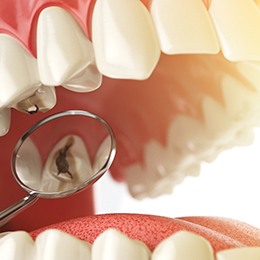
When meeting with your emergency dentist in Arlington, you’ll find that he will review your oral anatomy to determine the following factors:
- The location of the tooth that must be extracted
- The type of tooth that needs to be removed
- The number of teeth that require removal
- Whether you will require a simple or surgical procedure
- The type of restoration you will need once the tooth is removed (i.e., dental bridge, partial or full denture, or dental implant)
Does Dental Insurance Cover Tooth Extractions?

Tooth extractions are typically included in most dental insurance plans as a major restorative service. This is the case for all plans, so it’s essential that you review yours beforehand. If you need assistance, Dr. Baldwin’s team is here to go over your policy and identify ways to maximize your benefits. If your plan does incorporate it as a qualifying service, there is a good chance they will agree to cover up to 50% of the total cost. However, this is dependent on whether you’ve met your deductible and how much of your existing annual maximum remains available.
Other Options for Making Tooth Extractions Affordable

Because not everyone is insured, Dr. Baldwin is also pleased to make tooth extractions more affordable for those without insurance as well as those who need assistance paying for complex dental treatments.
With CareCredit and Lending Club, individuals can enroll in a plan that offers low- and no-interest options. Based on the timeframe of your choosing, you can better manage your budget by splitting up the cost of your care into monthly payments, making it easier for you to move forward with treatment without the additional worry or concern of the cost.
Tooth Extraction FAQs
Does Getting a Tooth Extracted Hurt?
The good news is that you will receive local anesthesia before Dr. Baldwin begins to remove your tooth. This will numb your mouth and keep you from feeling any pain throughout the procedure. Once the tooth is extracted and the effects from the anesthesia wear off, it is normal to experience some discomfort and soreness. You can remedy these sensations with the help of over-the-counter pain relievers or antibiotics provided to you by our dental team. You can also use a cold compress to minimize any swelling. The pain should dissipate over time, but if your discomfort worsens, or you believe you might have an infection, call our office right away.
What Are My Options for Replacing a Missing Tooth?
Unless you are having your wisdom teeth removed, you always need to have your teeth replaced. The reason is that the jawbone will deteriorate over time, causing problems with your facial aesthetic and overall oral health. You and your dentist in Arlington can discuss your options for tooth replacement, some of which will include a dental bridge, denture, or dental implant. Ultimately, the decision will be based on the status of your oral and overall health, your jawbone density, and your budget.
How Long After a Tooth Extraction Can I Get Dentures?
If you are interested in traditional or implant dentures once you have a tooth extraction, you can expect to wait anywhere from 6-8 weeks before you can move forward with receiving a new prosthetic. Our team will need to take impressions and determine the size, shape, and color of your teeth. Once lab technicians create your new denture, we will have you fitted and make any final adjustments before having you leave with your customized prosthetic. We want to make sure it fits comfortably and looks natural, and you can expect our team to discuss ways to take care of your new smile to extend its lifespan.
How Should I Prepare for My Tooth Extraction?
Before undergoing your tooth extraction, you’ll need to tell Dr. Baldwin about your health history as well as any medications you are taking. This will determine whether you might face problems with anesthesia or sedation. Our team will also discuss the best and worst foods to eat before your treatment and if it is necessary that you cease taking any medications. Because the anesthesia does take time to wear off, you will need to arrange for a family member or friend to take you to your appointment and escort you home.
Is there an alternative to getting a tooth extracted?
Many patients feel nervous about having a troublesome tooth removed and wonder whether the procedure is truly necessary or whether another option could improve their dental condition. For instance, sometimes a root canal, followed by placement of a dental crown, can alleviate a toothache and restore the damaged tooth so it can function normally.
But the truth is that if Dr. Baldwin has recommended extraction, he has likely already ruled out any other options. This procedure is often the last resort to protect your dental health when teeth are too damaged, decayed, or infected to be mended.
What’s the recovery for tooth extractions like?
Our team will provide a list of postoperative instructions for you to follow, which are intended to help you mend as quickly as possible while avoiding potential complications. For instance, your mouth must form a blood clot at the extraction site to protect the exposed nerves and tissues to prevent a painful side effect known as dry socket.
Many of our directions are intended to preserve this blood clot, and can include:
- Keeping your mouth clean by rinsing with water for the first day, then resume brushing and flossing more normally as you feel able.
- Drinking lots of water without using a straw, because the force of suction could harm or dislodge your blood clot.
- Get plenty of rest and avoid physical exertion that elevates your blood pressure or heart rate.
- Take any prescribed medications, like antibiotics, exactly as directed.
- Address discomfort with ice packs or over-the-counter pain meds, like acetaminophen or ibuprofen.
Can I leave the space empty once my tooth is removed?
If you’re hoping to save money or just want to avoid another procedure, you might feel tempted to leave the socket empty afterward, especially if it’s located in the back of your mouth, where no one is likely to see it.
But there are consequences of tooth loss you might not have considered. For instance, any remaining teeth are prone to shifting out of their rightful places to fill the gap, which can wear down your enamel prematurely or unevenly. This can increase the risk of cavities and injuries, which can often be avoided by replacing your missing tooth sooner rather than later.
Can I smoke after my extraction procedure?
Some patients who smoke regularly wonder whether it’s safe or acceptable to resume their habit immediately following their extraction procedure. However, tobacco products contain nicotine, which suppresses your immune system while simultaneously increasing the risk of developing an infection, hindering your recovery.
Not only that, but taking a drag on a vape or cigarette can damage the blood clot that’s so essential for healing. As a result, it’s usually recommended that you wait at least two weeks before smoking to give your mouth sufficient time to mend.