
Dental Crowns – Arlington, TX
Seamlessly Repair Your Smile

It can be nearly impossible to enjoy all the valuable benefits of a great smile if you have teeth that are damaged or decayed. If you’re struggling with these issues, reach out to Dr. Douglas Baldwin and the rest of our team for dental crowns in Arlington . We’re dedicated to treating your oral health problems with the innovation, personalized attention, and exceptional quality you deserve. Our dental crowns are designed to restore much-needed stability and structure to vulnerable smiles in a seamless and long-lasting fashion.
What is a Dental Crown?
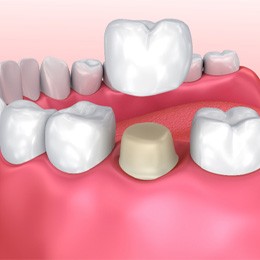
Dental crowns, also commonly known as caps, are customized restorations designed to fit over vulnerable tooth structures. Providing protection against further decay or damage, these crowns can be made from a variety of materials, but most dentists are beginning to use tooth-colored solutions like porcelain that blend in beautifully with a patient’s smile. Apart from the esthetic value, however, is their ability to remain durable and stable for more than a decade. As long as patients take proper care of their teeth, they can expect their crowns to remain in place year after year.
The Dental Crown Process
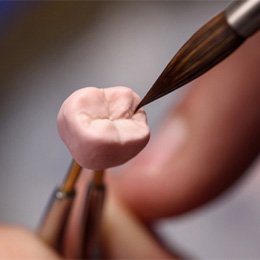
The process begins by clearing away the decayed or damaged tooth structure. Once Dr. Baldwin is finished prepping the area, he will fill in the damaged area with composite resin before filing down the existing structure to ensure a proper fit once the crown is ready for placement.
Once the tooth is filled, we will capture impressions of your smile so that we can send the model off to lab technicians. These skilled craftspeople will create a customized crown based on the specifications and measurements provided.
While waiting for your finalized crown, we will have you wear a temporary crown so that the tooth remains protected in between appointments. You’ll need to be mindful of what you eat and how you care for your teeth during this time.
When ready, you’ll return to our dental office to have your finalized crown put into place. The entire process can require 2-3 dental visits.
The Benefits of Getting a Dental Crown

There are many unique benefits that come with dental crowns, and you can expect your dentist in Arlington to go over these advantages during your initial meeting. Having been around for decades or longer, dental crowns are a time-tested, reliable way to repair and rebuild damaged smiles for optimal functionality.
Some of the most prominent benefits include:
- The ability to enjoy a more youthful appearance
- Possessing greater confidence in your smile
- A restoration that can last 15+ years with regular care
- An easy-to-maintain restoration
- Greater protection for the vulnerable tooth structure
- Generate improved oral functionality
Understanding the Cost of Dental Crowns
As much as you may need a dental crown, you should consider its price first. You wouldn’t want to commit to a treatment you can’t afford by mistake. That said, you’ll have to consult Dr. Baldwin for a precise estimate; the cost of dental crowns varies by patient. Once you’ve met with us, our team can find ways to make your care more affordable. For more specifics on how that works, please keep reading or call us soon!
Factors That Affect the Cost of Dental Crowns
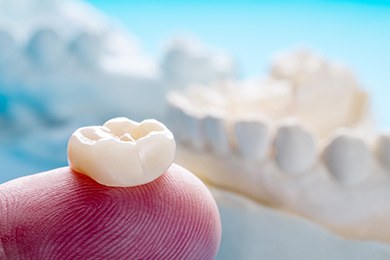
At your consultation, Dr. Baldin will assess your smile before shifting to treatment. Doing so lets him check factors that affect a dental crown’s price, including:
- Damage Severity – Naturally enough, a dental crown costs more when your tooth is highly damaged. Teeth with major breaks or cracks usually need a pricey root canal first.
- Crown Material – Often enough, dental crowns’ materials will impact their final price. Metallic ones (gold, silver, etc.) don’t cost that much, while ceramic or tooth-colored kinds are more expensive.
- Processing Method – A dental crown that’s processed “traditionally” is less costly. Meanwhile, one processed with CEREC technology is pricier.
Aside from the points above, note that “cheap” dental crowns aren’t effective. Their low prices are a subtle indicator of their poor quality, which won’t help your teeth much. You should thus buy a moderately-priced crown to ensure great results.
Does Dental Insurance Cover Dental Crowns?

Dental insurance almost always covers dental crowns. In fact, most plans will meet up to 50% of a crown’s final cost; they see the cap as medically necessary. A patient can typically enjoy benefits so long as they meet their deductible first.
Of course, exceptions to this rule also exist. Your plan may have restrictions on crown coverage, or maybe it doesn’t cover dental crowns at all. That means you should confirm your plan’s benefits before you buy anything. If you’d like, our dental team will help you do so.
Other Options for Making Dental Crowns Affordable

If you lack dental insurance, don’t worry; it’s not the only way to make a dental crown affordable. You can also rely on our practice’s helpful payment options to manage the cost. By picking the right one, you’ll ensure your treatment is budget-friendly.
A key example would be our office’s flexible financing service. We work with CareCredit and Lending Club, which let you pay for care in manageable monthly installments. These payment “bundles” have little to no interest attached, so using them to get dental crowns can make things much easier.
You don’t need to strain your finances to buy a dental crown. Instead, please visit us – we’ll ensure you get effective and affordable help for your smile!
Dental Crown FAQs

Are Dental Crowns Permanent?
No, dental crowns are not technically considered permanent. But they do offer a long-term solution, typically lasting between five to 15 years. Keep in mind that the irreversible reshaping of your tooth for a crown means the tooth will always need protection. While tooth enamel does not regenerate, crowns shield the tooth from further damage, extending its lifespan.
To maintain your crown's durability, maintain daily oral hygiene, visit Dr. Baldwin regularly for checkups and cleanings, and consider protective measures like wearing a mouthguard/nightguard. Proper care will help ensure your crown stays in great condition for years to come!
How Do You Know When a Dental Crown Needs to Be Replaced?
Dr. Baldwin will need to perform X-rays and conduct a thorough examination to determine whether or not your dental crown requires replacement. However, there are certain warning signs that suggest your crown is nearing the end of its lifespan.
Pain may indicate decay beneath the crown, which means it will need to be removed for treatment. If the crown feels loose, especially while eating sticky foods, contact Dr. Baldwin to address instability. A noticeably worse appearance, like chipping or discoloration, can impact self-confidence and is a valid reason for replacement. For porcelain-fused-to-metal crowns, a dark line at the base may signify wear, indicating potential replacement due to extensive use. If you experience these signs, don’t hesitate to contact us for a thorough evaluation.
Does It Hurt to Get a Dental Crown?
Getting a dental crown typically doesn't hurt as Dr. Baldwin will numb the tooth during the procedure with a topical anesthetic. If you’re feeling particularly anxious, sedation may be an option to consider. While your tooth is numbed during the preparation phase, the final crown placement may not always require anesthesia, depending on the type of crown and your preference.
After the procedure, you might experience sensitivity for a few days, especially if you've had a root canal. Over-the-counter pain medications can help manage discomfort. Be sure to let us know if your pain persists. Remember, dental crowns are designed to protect your tooth from further damage to prevent future pain!
Are Dental Crowns Safe?
Dental crowns, when placed by an experienced dentist, are considered 100% safe. Plus, tooth-colored materials such as ceramic and zirconia are free from toxins. While there is a slight risk of allergic reactions to specific metal alloys used in crowns, such reactions are usually minor. If you have a history of metal allergies or sensitivities, inform Dr. Baldwin right away.
It’s worth noting that adverse reactions to dental porcelain are extremely rare. In the unlikely event of gum irritation, redness, or swelling near the crown, let us know immediately as these symptoms could indicate a potential allergic reaction.
How Long Do Dental Crowns Last?
Dental crowns last between five and fifteen years on average, and the material and location of your appliance can impact how long it can go before needing replacement. For example, metal crowns may last slightly longer than metal-free ones, but the difference is often so slight that it is practically negligible. Similarly, crowns used to restore teeth in the back of the mouth may not last as long since they endure more pressure during the chewing process. However, the most important factor in how long your crown can last will be how well you take care of it by practicing daily oral hygiene, attending regular dental appointments, making smart eating habits, and being mindful when chewing. Your crown may be more likely to fail sooner due to reasons like tobacco use, excessive alcohol consumption, using your teeth to open packages or bottles, and chewing on ice or inedible materials like metal, glass, plastic, wood, or fingernails.
Do Dental Crowns Get Cavities?
It is impossible for dental crowns to develop cavities since they are not made from organic enamel that can be metabolized by harmful oral bacteria. However, the teeth wearing dental crowns and the gum tissues supporting them can be compromised by oral infections, and it may be necessary to remove and replace a restoration if the tooth wearing it needs treatment. To keep your crowns in great shape, be sure to practice excellent oral hygiene by brushing at least twice a day, flossing daily, rinsing with antibacterial mouthwash regularly, and keeping up with regular dental checkups at our Arlington office. It’s also best to limit your consumption of sugars, acids, and alcohol that can erode the cement securing your crown or the enamel it is bonded to.
Do Dental Crowns Feel Natural?
Each dental crown is completely customized to fit the tooth wearing it comfortably and work with the patient’s existing bite alignment. After you have worn your crown for a few days, you should find that it feels increasingly natural and using it becomes easier and more intuitive. Crowns are designed to restore much of a compromised tooth’s chewing power, so eating should become perfectly comfortable after you get used to wearing your appliance. However, you may notice a slight difference in texture if you run your tongue along the edges of your teeth. Other than that, your crown should be virtually indistinguishable from your natural enamel.