
Living with diabetes doesn’t mean you have to give up on restoring your smile. If you’re missing one or more teeth, dental implants may still be an option. However, diabetes can affect how your body heals and responds to treatment, so a little extra planning may be necessary.
With careful management, a thorough dental evaluation, and coordination with your healthcare team, many people with diabetes can successfully receive dental implants. Here’s what you should know before getting started.
How Does Diabetes Affect Dental Implant Treatment?
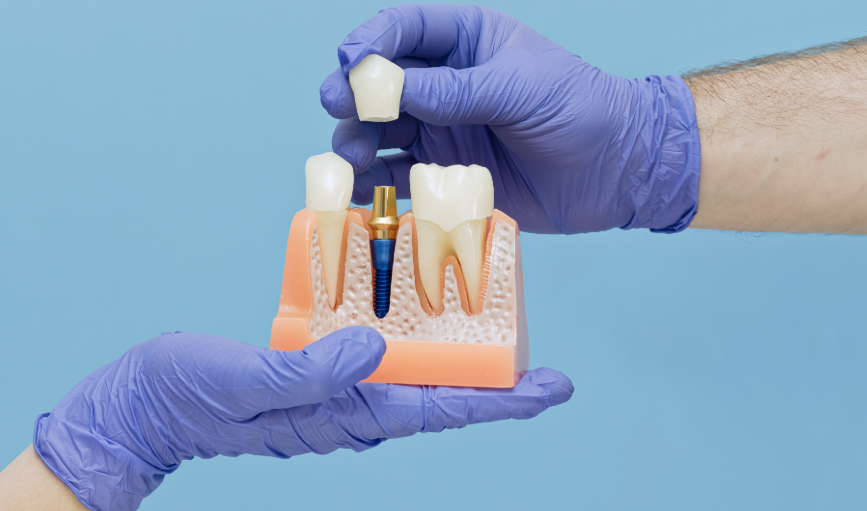
Dental implants are small posts placed in the jawbone to support replacement teeth. Over time, the bone heals around the implant in a process called integration, helping create a stable foundation for your new smile.
Diabetes can complicate this process, particularly when blood sugar levels are consistently elevated. Poorly controlled diabetes may slow wound healing, impair immune function, and increase the risk of infection. These factors can make it more difficult for an implant to heal properly and remain stable.
Diabetes can also increase the risk of gum disease, which may threaten the health of the tissues surrounding dental implants. Because healthy gums and bone are essential for long-term success, addressing existing oral health concerns is an important first step.
Are Dental Implants Safe for People With Diabetes?
In many cases, yes! People with well-managed diabetes can be good candidates for dental implants. The key is evaluating each person’s overall health, blood sugar control, oral health, and ability to heal.
Your dentist may review your medical history, medications, recent blood sugar measurements, and hemoglobin A1C results, which provide an estimate of your average blood sugar over the past few months. There isn’t one universal A1C cutoff that determines implant eligibility for everyone. Your dental provider and medical team can help assess your individual risks and determine whether treatment should proceed or wait until your diabetes is better controlled.
Other factors, including smoking, gum disease, and insufficient jawbone volume, may also affect your candidacy. A comprehensive examination helps identify potential concerns before treatment begins.
How to Improve Your Chances of Implant Success
If you have diabetes and are considering dental implants, a few proactive steps can help support healing and long-term results.
First, work with your healthcare provider to manage your blood sugar. Following your treatment plan, taking prescribed medications as directed, and maintaining consistent monitoring can help reduce complications.
Next, prioritize your oral health. Brush twice daily, clean between your teeth, and keep up with recommended dental visits. If you have gum disease, treating it before implant placement can help create a healthier environment for healing.
Be sure to share your complete medical history and medication list with your dental team. Your providers can coordinate care and develop a treatment plan that accounts for your individual needs. After surgery, follow all post-operative instructions carefully and attend follow-up appointments so your healing can be monitored.
Finally, avoid smoking if possible, as it can interfere with healing and increase the risk of implant complications.
Is It Time to Explore Dental Implants?
Diabetes doesn’t automatically rule out dental implants. With personalized planning, good blood sugar management, and consistent follow-up care, many patients can restore their smiles and enjoy the benefits of replacement teeth.
About the Practice
Foundation Dental Solutions in Arlington, Texas, is led by Dr. Douglas Baldwin, a general dentist dedicated to personalized, high-quality care. Dr. Baldwin has pursued advanced training in dental implants, including a fellowship in implantology from the California Implant Institute. He uses innovative techniques and 3D imaging technology to plan implant treatment and help patients with complex dental needs restore their smiles, comfort, and confidence.
Call us at (817) 478-4300 or schedule your appointment online